
Freeman, the events and trade show company, surveyed more than 2,600 event attendees and organizers for its latest trends report. The results showed that the two groups had very different views of the event experience. While 78% of organizers felt they were creating memorable moments, only 40% of attendees felt they had experienced one. In other words, what felt like a strong event from the organizer’s side didn’t always feel that way to the people attending.
A pre-event survey helps you spot those gaps before the event is locked in, when there’s still time to make changes.
What a pre-event survey actually does
A pre-event survey is a short questionnaire sent to registrants or prospective attendees before an event takes place. It is designed to surface what people actually want from the event across different elements such as:
- Types of sessions
- Format of the event
- Logistics and amenities
It’s different from a post-event survey, which looks backward at what happened. A pre-event survey looks ahead, and it’s the only point in the planning process where you’re asking people rather than guessing on their behalf.
Most event planning decisions are made based on experience, past attendance numbers, or whatever worked at the last event. Those are reasonable starting points. But they describe a previous audience instead of looking at what the attendees of the upcoming event want. A conference audience shifts year over year. A company’s employee base changes. A community’s interests move. Without asking directly, planners are often building this year’s event around last year’s assumptions.
Why guesswork falls short here
A little input from attendees can change how the event comes together. McKinsey reports that 71% of consumers expect companies to make their interactions more relevant to them, and 76% feel frustrated when that doesn’t happen. The same is true when people attend an event. They have different reasons for being there, different topics they care about, and different things they need from the day. Finding that out beforehand gives you a better chance of getting the details right.
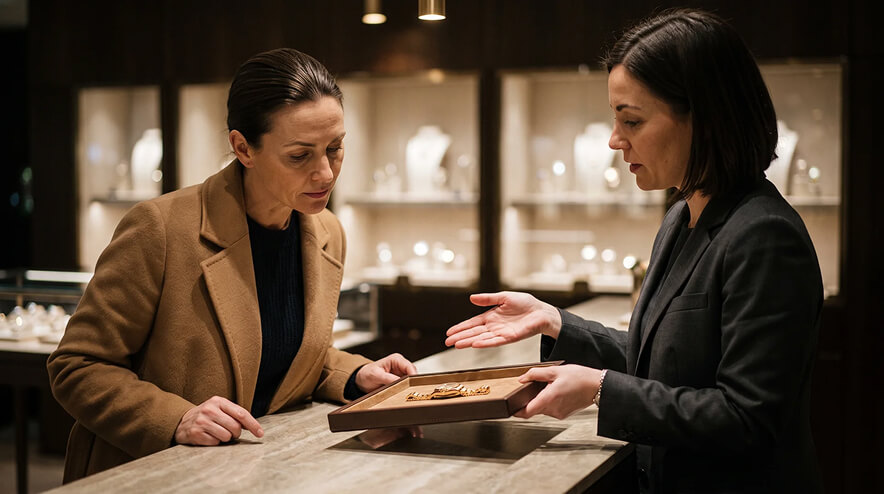
A pre-event survey is one of the most direct ways to meet that expectation, because it asks the audience to define relevance for you instead of the planning team guessing at it from a spreadsheet of past registrations.
Pre-event survey questions worth asking
The most useful pre-event survey questions are the ones that help the planning team make decisions. There’s not much point in asking something if the answer won’t change anything about the event. A few areas are especially useful to cover:
Content and agenda
What topics would you actually like to hear about? If you had to pick between these speakers or sessions, which would you choose? Would you rather sit in on a panel, take part in a workshop, or listen to one speaker? Answers to questions like these give the team something concrete to work with when putting the agenda together.
Format and logistics
Would you rather attend in person, online, or join a hybrid event? What time of day would be easiest for you? Is there anything you need us to consider regarding accessibility? These questions can catch fairly basic problems before they become difficult to fix. For example, there’s little value in scheduling an important session at a time when a large part of the audience can’t reasonably attend.
Networking and goals
What do you hope to get out of attending this event? Are you hoping to meet people in a specific role or industry? Would you be interested in structured networking sessions, or do you prefer informal time between sessions? Attendees often show up with a specific goal in mind, and a survey is the easiest way to find out what it is before the agenda is locked.
Food, venue, and comfort
Ask people about food allergies and dietary restrictions before you make the arrangements. It’s also worth finding out what they expect from the venue. Some may care about comfortable seating, others may need a quiet place to sit, and for some, getting there easily by public transportation may be the main concern. These details are easy to leave out when planning an event and easy for attendees to notice when they’re missing.
Here are a few pre-event survey question examples:
- “On a scale of 1 to 5, how important is networking time to you at this event?”
- “Which of the following session topics would you attend if you could only pick two?”
- “What’s the single biggest reason you’re attending this event?”
- “Is there anything that would prevent you from attending in person?”
Keep the survey short. A five- to eight-question survey four weeks before the event, timed early enough to still influence planning decisions, tends to achieve higher response rates than a questionnaire buried in a confirmation email.
Building an effective event planning survey
An event planning survey only pays off if the answers reach the people making decisions in time to act on them. A few things separate an effective pre-event survey from a box-checking exercise.
Attach it to a moment people are already engaged. Registration confirmation, a save-the-date email, or an RSVP form is a natural point to ask, since the person has already given some attention to the event.
Ask about things you can still change. There’s not much point in asking attendees about catering if the menu has already been finalized. The same goes for a venue that’s already booked. Before writing the survey, make a list of the decisions that are still up in the air and build the questions around those.
Ask different groups what matters to them. A sponsor isn’t coming to the event for the same reasons as an attendee. So they probably shouldn’t get the exact same questions. If you have different types of people attending, it’s usually better to ask each group a few relevant questions rather than sending everyone a long, generic survey.
Show people what happened with their feedback. Say a lot of attendees wanted a later start or more hands-on sessions, and you decided to make a few changes. Tell them about it. It can be as simple as mentioning it in the next email or changing the agenda. Otherwise, people fill out the survey, send it off, and never really know what happened to their answers.
Where Zoho Survey fits into this
Zoho Survey includes a dedicated set of event templates built around exactly this kind of planning, including an event RSVP template that goes beyond simple headcounts to gather logistical preferences and pre-event questions directly inside the confirmation flow. RSVP questions can be embedded directly into email invitations so that attendees can respond to a planning question with a single click instead of navigating to a separate form.
When an event has several tracks running at the same time, a simple yes-or-no choice doesn’t always tell planners enough. A ranking question lets attendees order the sessions they want, which can help inform decisions like how much time to give each session. Branching can also keep the survey from becoming unnecessarily long. Sponsors can get the questions meant for sponsors, while attendees see the ones that apply to them.
The planning team can look at the responses while people are still signing up. This can bring up things they may want to deal with early, like a session getting more interest than expected or several people mentioning the same problem with the schedule. Zoho Survey can also integrate with event registration tools. This way, the survey doesn’t have to be handled as a separate part of the process.
None of this replaces the planning judgment a good event team brings. It just makes sure that judgment is based on what attendees actually said.
Common mistakes with pre-event surveys
Even a well-intentioned pre-event survey can fall flat if it's built or timed poorly. A few mistakes to avoid while conducting a pre-event survey are:
- Sending it too late. A pre-event survey delivered a few days before the event might still get responses, but there’s often no time left to act on anything it reveals. Two to four weeks out is a more useful window.
- Asking about things that are already decided. If the venue is booked and the schedule is set, there’s no real reason to ask people when they’d prefer the event to happen. You already know you can’t change it. It’s better to use those questions on things the team can still do something about.
- Treating it as a formality. A pre-event survey sent out of habit, with responses nobody reviews before the agenda is finalized, wastes attendees’ time and teaches them not to bother answering next time.
Wrapping up
Freeman’s research points to a simple problem: organizers and attendees don’t always see the event in the same way. Organizers may feel they’ve planned something people will enjoy, while attendees may have wanted something quite different. A short survey before the event gives planners a chance to find that out while there’s still time to make changes. People usually know what they want from an event. The useful part is finding out before the agenda and other details are set.
Zoho Survey can help with that process. Its event templates, branching options, and real-time reports give organizers a way to collect those responses and use them while planning is still underway.